Slots, Poker, and the Real Math Behind iGaming Wins
Nobody walks into a casino expecting to lose. That is the whole point — the flicker of a jackpot, the turn of a river card, the chance that tonight is the night. But if you have spent any real time around iGaming, you know the floor tells a different story than the marketing. The house edge is not a rumor, and understanding it is the difference between a hobby and a slow leak.
This is not a lecture about quitting. It is a look at how the games actually work, where the entertainment really lives, and how sharp players keep the math on their side — or at least stop pretending it does not exist.
Why the House Always Smiles First
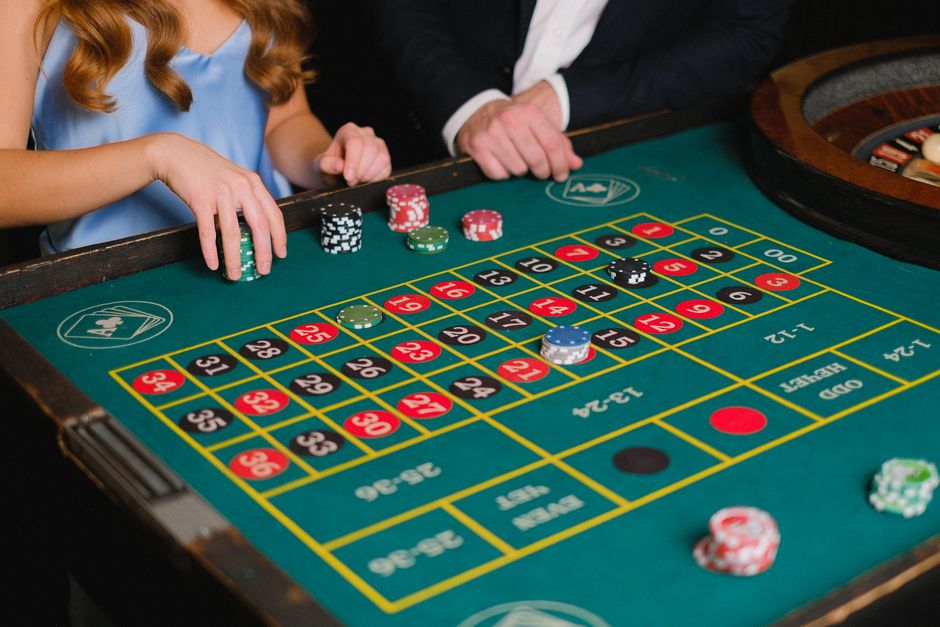
Every casino game has a built-in margin, called the house edge. It is not hidden, exactly, but it is also never advertised on the bright lights of the strip. In European roulette, the single zero gives the house a 2.7% edge. American roulette doubles that zero, pushing the edge to 5.26%. That gap looks tiny until you play a few hundred spins and notice your bankroll thinning faster on one table than the other.
Slots work differently but just as deliberately. Modern video slots run on random number generators (RNGs) that spin thousands of times per second, even between your taps. The payout percentage — usually somewhere between 92% and 97% on regulated online slots — is calculated over millions of spins, not your session. A 96% RTP slot does not hand you back $96 for every $100 you feed it. It means that, over an enormous sample size, the machine returns 96 cents per dollar wagered, and the casino keeps four. You will find a helpful summary at L'Avenue Dubai.
That four cents is not a fee. It is the price of the entertainment, and the sooner a player treats it that way, the better their decisions get.
Slots: Volatility Matters More Than RTP
Walk into any online casino forum and you will see players obsessing over RTP percentages. That number matters, but it is only half the picture. Volatility — sometimes called variance — determines how that return is delivered.
- Low volatility slots pay small amounts frequently. Think 96% RTP with wins every few spins. Good for stretching a bankroll, bad for chasing a dream.
- Medium volatility slots balance hit frequency and payout size. These are the workhorses of most lobbies.
- High volatility slots can go 50, 100, even 200 spins without a meaningful win, then drop a 5,000x multiplier. Brutal on a small bankroll, thrilling on a large one.
A concrete example: two slots both advertise 96% RTP. One is low volatility with a max win of 500x. The other is high volatility with a max win of 50,000x. Same RTP, completely different experience. If you buy a $20 bonus with a $200 bankroll, the first slot might let you play for an hour. The second could wipe you out in five minutes — or turn that $20 into $1,000.
The tip is simple: match volatility to your bankroll, not your mood.
Poker Is the One Game You Can Actually Beat
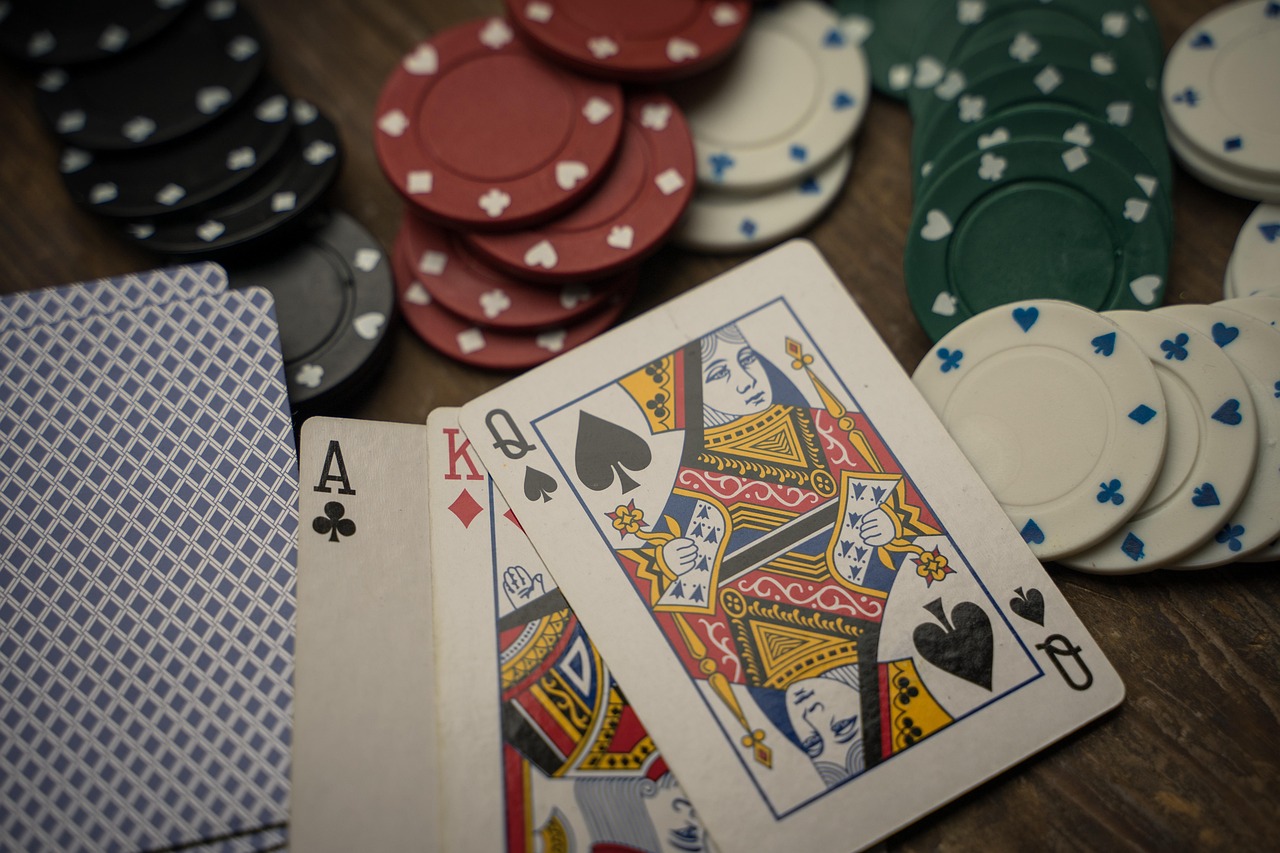
Here is the uncomfortable truth for casino operators: poker is the only game in the building where skilled players have a long-term edge over the house. The casino does not play against you. It takes a rake — usually 5% to 10% of each pot, capped at a few dollars — and lets players battle each other.
That means a good poker player is not fighting the math of the game. They are fighting the mistakes of other players. And those mistakes are plentiful.
- Playing too many hands. Beginners see a cheap flop and call with junk like 7-2 offsuit. Over time, that leaks money.
- Ignoring position. Acting last gives you information. Acting first gives it away. Most losing players treat every seat the same.
- Chasing draws without odds. A flush draw on the turn is roughly 4-to-1. If the pot is offering worse than that, the call is a losing proposition, no matter how pretty the cards look.
- Tilting after a bad beat. Emotional decisions are expensive decisions.
Online poker rooms also offer tracking software and hand histories, which means a disciplined player can review every session, spot leaks, and grind out a win rate. No slot machine will ever offer that. Poker rewards study in a way most casino games simply cannot.
Betting Markets: Where Information Beats Luck
Sports betting sits somewhere between poker and slots on the skill spectrum. The bookmaker builds a margin into every line — often 4% to 8% on a standard two-way market — but that margin shrinks for sharp bettors who line-shop and exploit soft numbers.
Consider a simple example. A book offers -110 on both sides of an NFL game. That implies a 52.4% break-even rate per side, meaning the house takes about 4.8% of the total handle in theory. But if you can find one book at -105 and another at +105, the margin flips. Professional bettors make a living on those small edges, combined with deep research on injuries, weather, and line movement.
The average recreational bettor does not do this. They bet with their heart, parlay everything, and wonder why the account never grows. The math does not care about loyalty to a team.
Bankroll Management Is the Real Skill
Ask any professional gambler what separates winners from losers and you will almost never hear “luck.” You will hear bankroll management.
The standard advice is to risk no more than 1% to 5% of your total bankroll on a single bet or spin. That sounds conservative because it is. But it keeps you in the game long enough for variance to even out, and it prevents the one catastrophic session that ends the hobby entirely.
A few practical rules that hold up across slots, poker, and sports betting:
- Set a session limit before you log in, not after you start losing.
- Never chase losses with bigger bets. That is how a $50 night becomes a $500 problem.
- Track every session. Spreadsheets are boring; they are also honest.
- Withdraw wins. A balance that never leaves the casino is not a win.
- Take breaks. Fatigue turns disciplined players into gamblers.
None of this guarantees a profit. It guarantees you stay in control, which is the only thing a player can actually control in a game built on randomness.
The Bottom Line
iGaming is entertainment, and like any entertainment, it has a price. The trick is knowing what you are paying for. Slots sell adrenaline and escape. Poker sells competition and the chance to outthink opponents. Sports betting sells the thrill of being right. None of them sell guaranteed income, no matter what a bonus banner promises.
Learn the RTP, respect the volatility, study the odds, and never bet money you would miss. Do that, and the games stay fun — which, in the end, is the only edge that matters.
You Might Also Like
Last month, a friend asked me why his slot session felt like throwing cash into a void. He'd been playing for an hour, hit a few small wins, then watched his…
The first time I watched a friend turn a $20 deposit into $600 on a single spin, I understood the allure instantly—and also why so many people misunderstand…