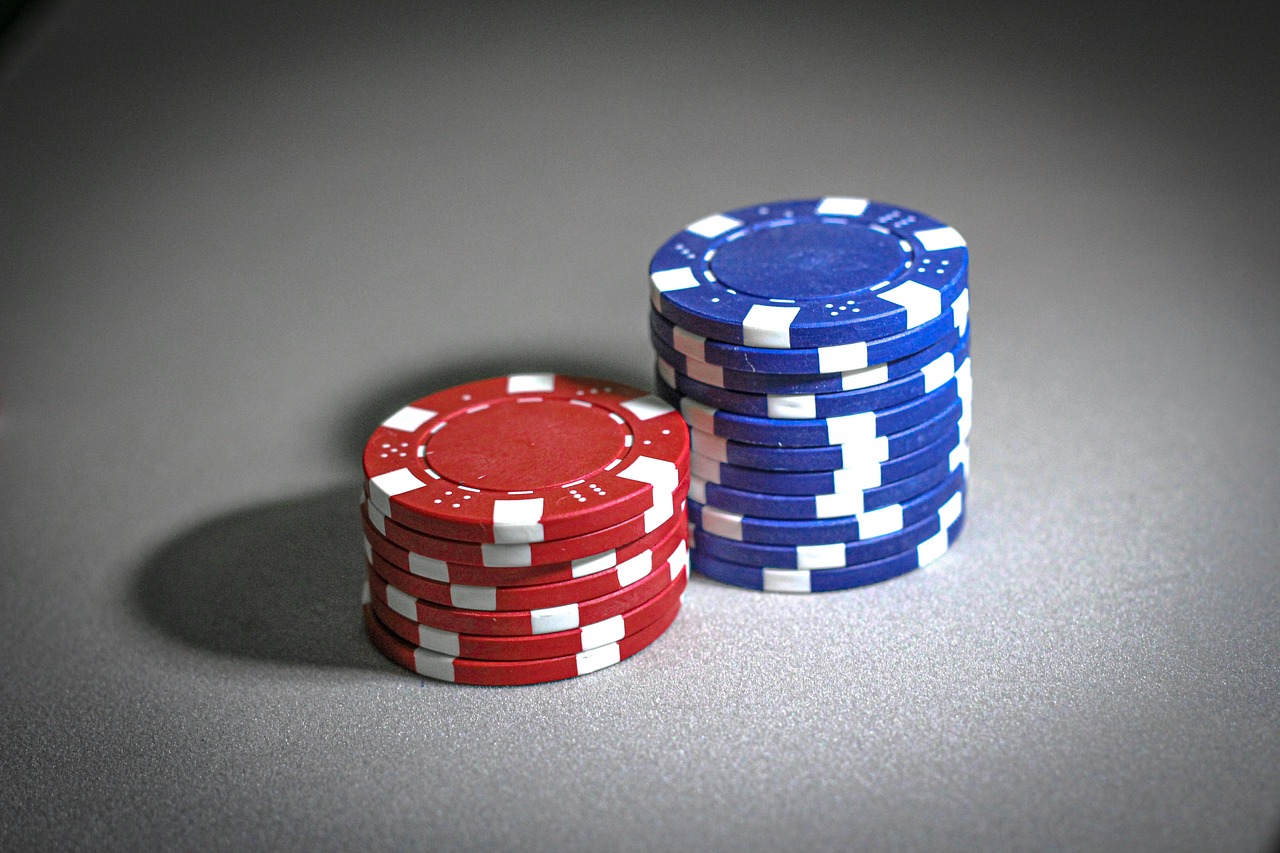
The Slot Machine Myth: Why RNGs Don't Care About Your Streak
You've just lost eight spins in a row. The slot is "due." Your gut says the next one will hit. I've watched players sink hundreds into that exact feeling, and I've done it myself. Here's the uncomfortable truth: that machine has no memory of your losses, and the random number generator spinning behind the reels isn't waiting to reward your patience. Understanding why is the single most useful thing you can learn as a player.
This isn't a scare piece or a lecture. It's a tour through how modern iGaming actually works under the hood, where skill still matters, and how to stretch a bankroll without lying to yourself. If you play slots, bet on sports, or sit at a poker table, the same principle keeps showing up: the house edge is real, but your decisions inside that edge are not all equal.
RNGs, RTP, and the Illusion of the Streak
Every spin on a licensed online slot pulls from a pseudorandom number generator that cycles through thousands of outcomes per second. When you press the button, you freeze one fraction of a second of that cycle. The result is independent of every spin before it. A machine with a 96% Return to Player (RTP) doesn't "pay back" 96% on your session. It means that over millions of spins, the theoretical return averages 96% of all money wagered. In a single evening, variance dominates everything.
Here's a concrete example. Two slots, both rated 96% RTP. One is a low-volatility game with frequent small wins; the other is a high-volatility title where you might spin 300 times before any meaningful hit. Same RTP, wildly different experiences. A player who doesn't understand volatility will blame the "rigged" machine on the second slot while quietly loving the first. Neither is rigged. They're just different distributions of the same math.
So why does the streak feeling persist? Because human brains are pattern-hunting machines. We remember the 40x win after a cold spell and forget the twenty dead spins between. Casinos and game studios know this, which is why slot design leans so hard on near-misses and animated teases. If you want to test your own bias, log 200 spins in a spreadsheet with stake and result. Most players are shocked by how boringly random it looks.
Table Games: Where Decisions Actually Move the Needle
Slots are fixed. Blackjack, video poker, and poker are not. This is where the skill-versus-luck conversation gets interesting.
Take blackjack. Basic strategy, a simple chart anyone can memorize in an afternoon, cuts the house edge from roughly 2% down to about 0.5% on a typical six-deck game. That one decision layer changes your expected loss dramatically. Card counting can push it further, but it's harder online and often banned by terms of service, so don't build a plan around it.
Video poker is the quiet gem of the casino floor. Jacks or Better with a 9/6 pay table offers over 99% RTP when played with optimal strategy. The difference between a 9/6 and a 8/5 machine is about 2% in house edge, which is enormous over hundreds of hands. Players who don't check the pay table are handing back money for nothing.
Poker is the only game here where long-term profit comes from other players, not the house. The rake is your cost of doing business. If you're losing to the rake, you're not stuck, you're leaking. Track your win rate in big blinds per 100 hands and honestly compare it to your rake contribution. That number will tell you more than any bad beat story. See 789Win for a side-by-side comparison.
A quick decision checklist before you sit down
- Is the game's RTP published and above 95%? If not, walk.
- Do you know the basic strategy or optimal play for this variant?
- Have you set a hard loss limit before your first bet, not after?
- Are you playing to entertain yourself or to extract value? The answer changes your game choice.
Bankroll Management Isn't Boring, It's the Whole Game
Most players don't blow up because they picked a bad game. They blow up because they staked 20% of their bankroll on a single bet and then chased. Here's a structure that keeps you in action:
- Define a monthly entertainment bankroll you can lose without changing your life.
- Cap any single bet at 1-2% of that bankroll for slots and table games.
- For sports betting, use flat stakes or fractional Kelly, never all-in on a "lock."
- Separate poker money from casino money. Poker is an investment; slots are an expense.
A 500-unit bankroll at 1-unit stakes gives you enough runway to survive normal variance. At 5-unit stakes, you're gambling on getting lucky early. Same games, completely different survival odds.
Sports betting deserves its own mention because the margin structure is different from casino games. A standard -110 line carries about a 4.5% hold for the book, but line shopping across multiple sportsbooks can recover 1-2% of that. Over a season, that's the difference between a grinder and a loser. Bonus offers and free bets also shift the math temporarily, which is why matched betting and welcome-offer hunting exist. Just read the wagering requirements carefully. A 40x rollover on a bonus with a 5% game-weighting turns a generous offer into a trap.
What Regulation Actually Protects You From
Licensed operators in jurisdictions like the UK, Malta, and various US states submit their RNGs to independent audits, typically from labs like eCOGRA or GLI. That means the games behave as advertised. It does not mean you'll win. The regulation protects fairness, not outcomes. For a closer look, 789 Win has helpful details.
What regulation can't protect you from is your own tilt, a poorly calibrated bonus, or a high-volatility slot that eats your bankroll faster than you planned. Those are player-side problems.
Where you should be paranoid is unlicensed offshore sites. Slow withdrawals, denied payouts, and terms that let them void winnings after the fact are common. If a casino can't clearly state its license number, treat it as a black box and keep your money out of it.
The Takeaway That Actually Changes How You Play
Stop looking for patterns in randomness. Start looking for edges in decisions. Choose games where your choices matter, check every pay table and RTP figure before you deposit, and size your bets so that a normal cold streak doesn't end your session. The players who last aren't luckier than you. They just stopped fighting the math and started working with it. The house edge is permanent, but how fast you give it your money is entirely up to you.
You Might Also Like
Last month, a friend asked me why his slot session felt like throwing cash into a void. He'd been playing for an hour, hit a few small wins, then watched his…
The first time I watched a friend turn a $20 deposit into $600 on a single spin, I understood the allure instantly—and also why so many people misunderstand…