The House Always Wins? How Smart Players Beat the Casino
The phrase "the house always wins" gets thrown around so often that most players accept it as gospel. And yet, every year, a handful of people walk out of Macau, Monaco, or a $2 online tournament with life-changing money. So which is it — is the game rigged, or is there a way to actually win? The honest answer is that both things are true, but only if you understand expected value, variance, and discipline. Let's break down how gambling really works across slots, table games, poker, and sports betting — and where a sharp player can actually find an edge.
Why the House Edge Is Smaller Than You Think
The house edge isn't a magic force that reaches into your pocket. It's a mathematical percentage, and it varies wildly depending on what you play. Consider the difference between a few common bets:
- Blackjack (basic strategy): roughly 0.5% house edge
- Baccarat (banker bet): about 1.06%
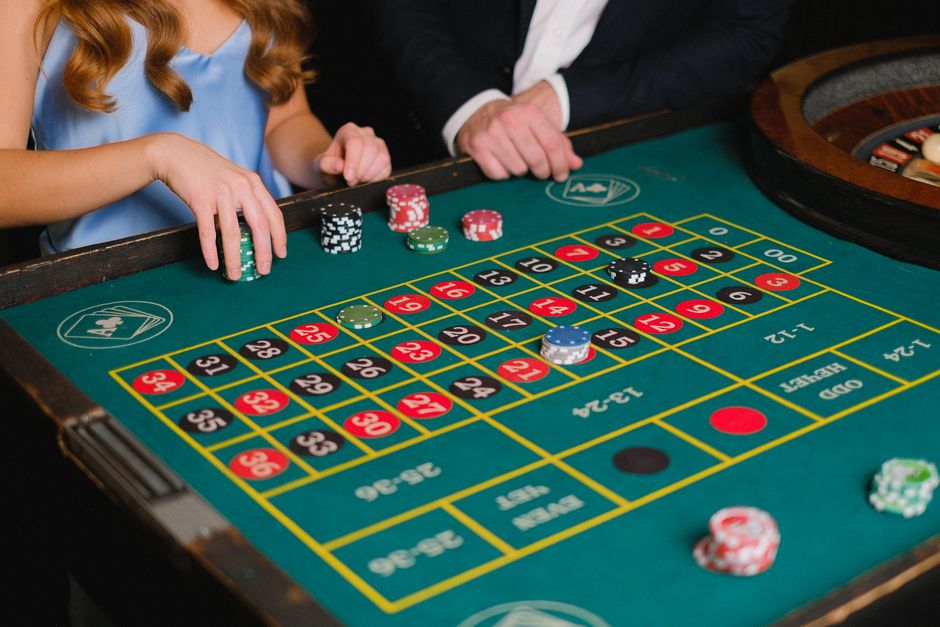
- European roulette: 2.7% (American roulette jumps to 5.26% because of the extra double zero)
- Video poker (Jacks or Better, perfect play): around 0.46%
- Penny slots: often 8–12%, sometimes worse
That spread is enormous. A player betting $500 an hour on penny slots with a 10% edge is theoretically losing $50 hourly. The same $500 an hour on blackjack with basic strategy loses about $2.50. Same bankroll, same entertainment, wildly different long-term outcome. The first lesson of smart gambling isn't "don't play" — it's play the games with the thinnest edges and the slowest bleed.
Slots: Entertainment First, Math Second
Let's be blunt. Slots are the most profitable product in any casino for a reason. There's no strategy, no decision-making, no way to tilt the odds. RTP (return to player) percentages on modern online slots typically sit between 94% and 97%, which sounds fine until you realize that RTP is calculated over millions of spins and doesn't guarantee anything in a single session.
What you can control:
- Pick high-RTP titles. Many providers publish RTP openly. A 96.5% slot is meaningfully better than a 94% one over hundreds of spins.
- Avoid low-volatility traps if you want big wins — and high-volatility traps if you can't stomach long dry spells. Know which you're choosing.
- Never chase bonuses with brutal wagering requirements. A 40x wagering requirement on a 96% slot effectively guarantees you'll lose the bonus before clearing it.
- Treat slots as paid entertainment, not income. Budget the loss before you spin.
The players who "beat" slots aren't beating the math — they're managing money better than everyone else at the bar. SHBET covers this in more detail.
Poker Is the One Game You Can Genuinely Beat
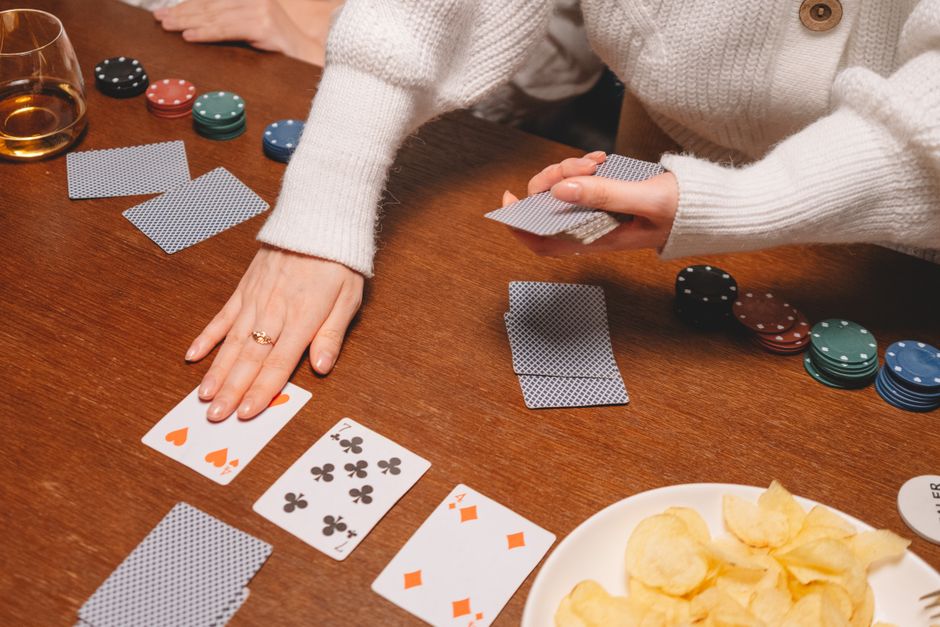
Here's the thing most casino games can't claim: poker is a game of skill against other players, not against the house. The house just takes a rake (typically 5% capped at $3–$5 in low-stakes cash games). That rake is beatable. Plenty of players have been profitable over millions of hands.
What separates winning poker players from losing ones: There is a useful overview at SH BET.
- Position awareness. Acting last is a massive edge. Winning players play far more hands from the button than from early position.
- Bankroll management. The standard rule for cash games is 20–30 buy-ins for your stake level. No, you can't take a shot at 5/10 with three buy-ins and expect to survive variance.
- Game selection. Sitting at a table full of regulars is a slow death. The money comes from weaker opponents, or "fish." Honest players admit this.
- Study. Solvers, GTO trainers, and hand review are now table stakes for anyone playing above micro-stakes.
The catch? There's no house edge, but there's also no safety net. You can play perfectly and lose to a two-outer on the river. Variance is brutal, and the skill edge is only realized over thousands of hands.
Sports Betting: Where Sharp Money Actually Lives
Sports betting looks like gambling the same way poker does — a contest against other bettors, mediated by a sportsbook. And while the bookmaker takes a vig (usually 4–5% on standard -110 lines), that vig is the only edge the house has. Unlike roulette, you're not fighting an unchangeable mathematical law.
Sharp bettors focus on a few things:
- Line shopping. Getting -105 instead of -110 on 100 bets saves real money over a season.
- Closing line value (CLV). If you consistently beat the closing line, you're likely a long-term winner, even if short-term results look ugly.
- Specialization. Nobody beats the NFL, NBA, MLB, and Premier League simultaneously. Pick a niche — maybe a single league or market type — and learn it deeply.
- Promo value. Sign-up bonuses, odds boosts, and free bets are essentially free EV. Grinding promos responsibly is a legitimate strategy.
What doesn't work? Parlays with eight legs, betting on your favorite team every week, and chasing losses with bigger stakes. All classic leaks.
The Uncomfortable Truth About Bankroll and Discipline
Here's where almost everyone fails, regardless of the game. Skill matters, but bankroll management and emotional control matter more. A great poker player with bad discipline goes broke. A sharp bettor who tilts after a bad beat gives it all back.
A few rules that actually work:
- Separate gambling money from rent, savings, and bills. Non-negotiable.
- Set session loss limits and walk away when you hit them — no exceptions.
- Track every session. You can't fix leaks you can't see.
- Take breaks. Tired, drunk, or angry players are the casino's favorite customers.
Also worth saying plainly: if gambling stops being fun and starts feeling compulsory, that's a problem no strategy can fix. Reputable sites offer deposit limits, cooling-off periods, and self-exclusion tools. Use them if you need them.
So Can You Beat the Casino?
The honest answer: not at slots, not at roulette, and probably not at blackjack unless you're counting cards in a jurisdiction that allows it (and most don't). You can beat poker and sports betting if you treat them as skill games with variance, put in the study time, and protect your bankroll like a professional. For everything else, the goal isn't to beat the house — it's to make sure the house only takes a tiny, affordable slice. Pick low-edge games, avoid terrible bonus terms, manage your money, and treat the whole thing as entertainment you're paying for. Do that, and you're already playing smarter than 90% of the people at the table.

You Might Also Like
Last month, a friend asked me why his slot session felt like throwing cash into a void. He'd been playing for an hour, hit a few small wins, then watched his…
The first time I watched a friend turn a $20 deposit into $600 on a single spin, I understood the allure instantly—and also why so many people misunderstand…