The Real Math Behind Slots, Poker, and Sports Betting
Ask ten gamblers why they play and you'll get ten different answers: the thrill, the rivalry, the dream of a life-changing score. But strip away the psychology and the neon, and every bet sits on the same foundation — a cold, unfeeling number. Understanding that number is the difference between entertainment and slow financial suicide. Let's talk about what actually happens to your money when you click spin, call a raise, or back the underdog.
The House Edge Is Not a Myth — It's Rent
Every game you'll encounter in a casino, whether online or brick-and-mortar, is built on a mathematical advantage for the operator. This is called the house edge, and it's not a scam. It's the price of admission. The casino provides the venue, the software, the dealers, the security, and the liquidity, and the edge pays for all of it.
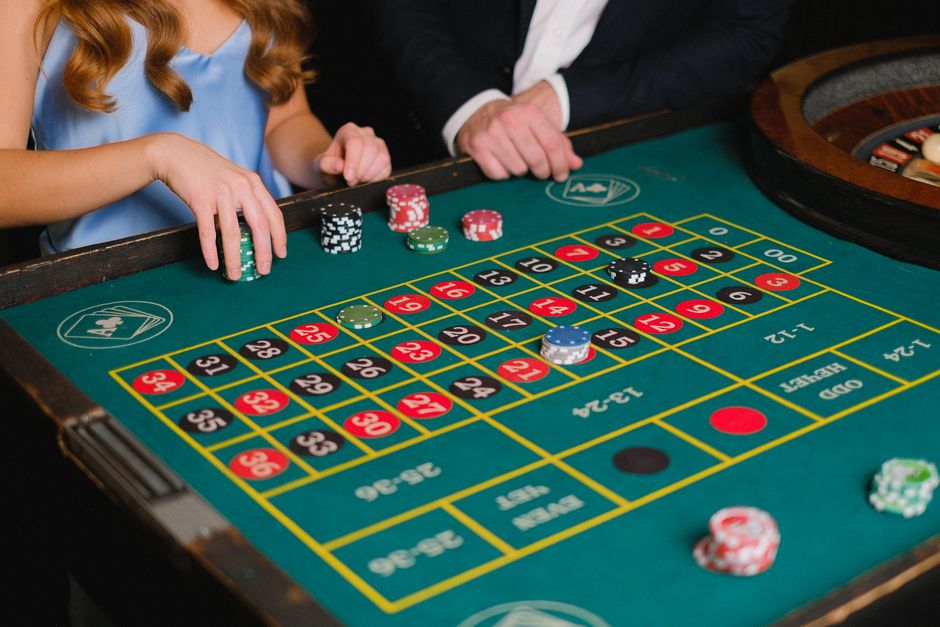
Here's a concrete comparison. On a standard American roulette wheel, the house edge is 5.26% thanks to the double zero. Switch to European roulette with a single zero and it drops to 2.7%. That single green pocket nearly halves the casino's cut. On blackjack, perfect basic strategy can push the house edge below 0.5%. But step onto the slot floor and you'll routinely face edges between 2% and 10%, depending on the machine and jurisdiction. Those aren't small differences. Over a thousand wagers, a 6% edge will grind a $1,000 bankroll into $400 in expected value, while a 0.5% edge leaves you near $950 — assuming you play flawlessly.
The takeaway isn't to avoid games with a high edge. It's to know which ones they are, and to treat the edge as a tax you're consciously choosing to pay for the entertainment.
Slots: Volatility Matters More Than RTP
Slot players obsess over RTP — return to player percentage — and while it matters, volatility is the number that will actually determine whether your session lasts ten minutes or two hours.
RTP is a long-run average. A 96% RTP machine returns 96 cents per dollar wagered over millions of spins. That tells you almost nothing about your next hundred spins. Volatility, or variance, tells you how wild the ride will be:
- Low volatility: frequent small wins. Your bankroll drains slowly, sessions feel steady, but the big hit rarely comes. Think classic 3-reel machines.
- Medium volatility: a balance between hit frequency and payout size. Most modern video slots live here.
- High volatility: rare wins, but when they land, they land hard. Mega Moolah-style jackpot games and many Megaways titles fall into this category.
The practical advice: if you have a $50 bankroll, a high-volatility slot will likely eat it before the bonus round triggers. Lower-volatility games stretch your play, which for many people is the entire point. Also check the paytable — many casinos list RTP inside the game's info screen. A 94% game versus a 97% game is a 3% swing on every dollar you cycle through. That's not trivia; that's real money.
Poker: The Only Game Where You Can Have an Edge
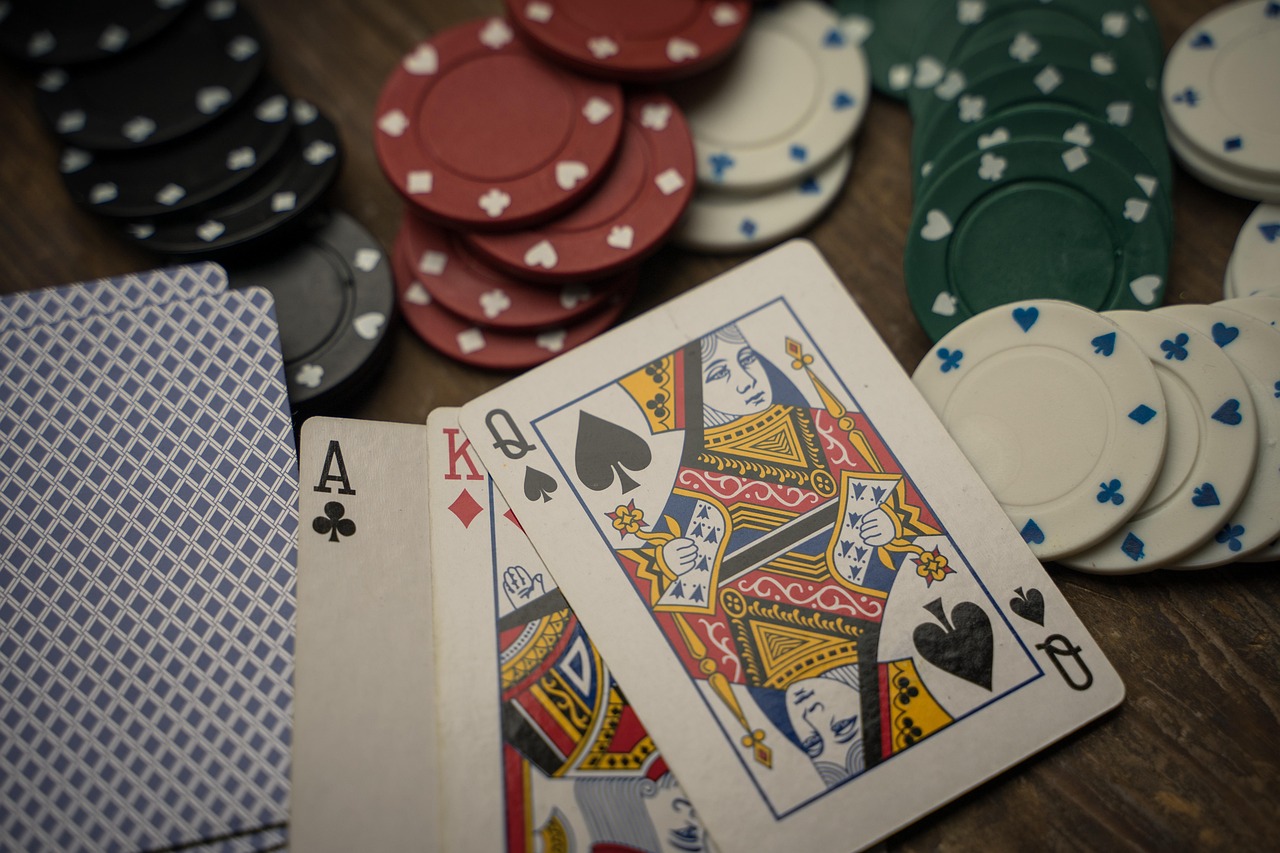
Here's the uncomfortable truth for casino operators: poker is the one game where the house doesn't care who wins. It takes a rake — typically 5% of the pot, often capped at $3 to $5 — and steps aside. That means in a poker game, you're not playing the house. You're playing other humans, and humans make mistakes. That's the entire opportunity.
Unlike slots, where no strategy changes the math, poker rewards skill measurably. If you're better than the average player at your table, you are the house. The rake is your only fixed cost. This is why serious players talk about win rates in big blinds per hundred hands rather than RTP — because the variable isn't the game, it's you. Further details are available through 78Win.
But this cuts both ways. If you're the worst player at the table, you're not just paying the rake — you're paying the better players too. That's why game selection is the single most underrated skill in poker. Sitting in a soft, recreational-heavy game at low stakes will make you more money than grinding against sharks at high stakes, almost every time.
A quick rule of thumb for beginners:
- Play tight from early position — don't open weak hands like Jack-8 offsuit.
- Respect raises; they mean strength far more often than bluffing at low stakes.
- Track your results over 10,000 hands minimum before drawing conclusions. Variance in poker is brutal over short samples.
Sports Betting: The Margin Is the Message
Sports betting feels different because it's tied to real-world knowledge — form, injuries, weather, tactics. But the math is just as unforgiving. Bookmakers build a margin, or vig, into every market, usually around 4% to 6% on major markets and far more on exotics like first goalscorer or correct score.
Consider a simple two-way market. If a true 50/50 outcome is priced at -110 on both sides, you need to win 52.4% of your bets just to break even. That 2.4% gap is the bookmaker's revenue. Over a full NFL season of 200 bets, that margin decides whether you finish up or down. 78 Win offers a practical breakdown of the topic.
Sharps beat this by shopping for the best line, exploiting promotional offers, and focusing on markets where the book's pricing is soft — often player props, alt lines, or obscure leagues where the oddsmakers have less data. The recreational bettor who picks a side and hits submit without comparing three books is leaving money on the table every single time.
Bankroll Management: The Only Rule That Actually Protects You
No strategy, no inside tip, no hot streak changes the math over the long run. What you can control is how much you expose. A sane bankroll plan looks like this:
- Never wager money you need for rent, food, or bills. Treat your gambling budget as spent entertainment money before you place a single bet.
- For sports betting, keep 1% to 2% of your bankroll on a single play. That's 50 to 100 units of runway.
- For slots, set a session limit in the app before you start. Modern online casinos offer deposit and loss limits — use them.
- For poker, 20 to 30 buy-ins at your chosen stake is a standard minimum. Playing $1/$2 with a $200 bankroll is a coin flip, not a strategy.
The players who last aren't the ones who hit the biggest jackpots. They're the ones who never let a single bad night force them out of the game.
What Actually Separates Winners From Losers
The gambling industry sells fantasy: the next spin could change everything. That fantasy isn't evil, but it's not a plan either. The people who genuinely come out ahead over years — a tiny minority — treat iGaming as a discipline. They know the edge, they pick soft games, they manage variance, and they walk away when the math stops favoring them.
Everyone else is buying entertainment. That's fine. Just call it what it is, decide in advance what it's worth to you, and never confuse a lucky session for a skill. The house doesn't mind if you win tonight. It only needs you to believe the math doesn't matter.

You Might Also Like
Last month, a friend asked me why his slot session felt like throwing cash into a void. He'd been playing for an hour, hit a few small wins, then watched his…
The first time I watched a friend turn a $20 deposit into $600 on a single spin, I understood the allure instantly—and also why so many people misunderstand…